As Europe’s health technology sector navigates a rapidly evolving regulatory landscape, collaboration and shared understanding between stakeholders are becoming increasingly critical. The implementation and ongoing revision of the Medical Device Regulation (MDR) and In Vitro Diagnostic Regulation (IVDR), alongside the expansion of EUDAMED, are reshaping how companies develop, certify, and bring medical technologies to market.
Building on this, the EU4MEDTECH project aims to strengthen regulatory capacity, knowledge exchange, and practical skills across Europe’s MedTech ecosystem. By fostering collaboration between industry, notified bodies, healthcare providers and authorities, the project supports more efficient compliance pathways and contributes to safer and more innovative medical devices.
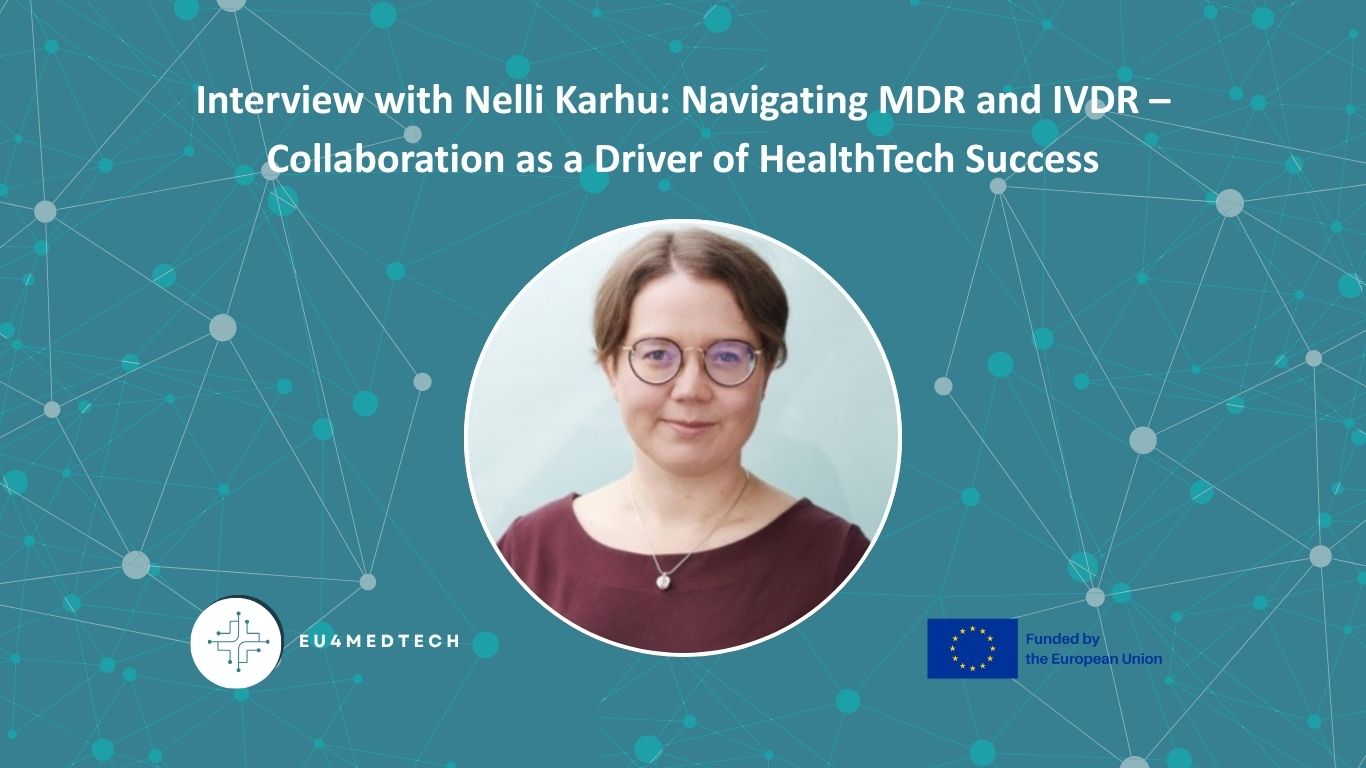
In this context, Nelli Karhu, a Senior advisor at HealthTech Finland, shares insights drawn from experience across regulatory authorities, EU-level coordination, and industry advisory. Her perspective highlights how a positive approach to regulation and strong stakeholder collaboration can drive success in the sector.
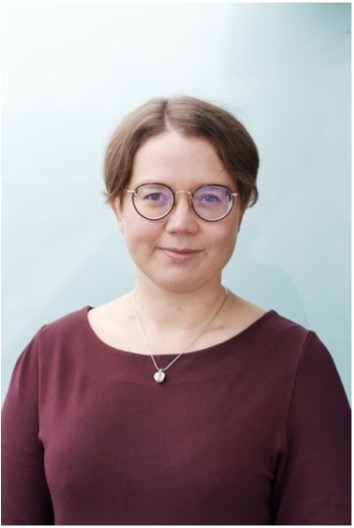
Karhu’s background combines academic research, industry experience in product development, and regulatory roles at Valvira and Fimea, with a particular focus on in vitro diagnostic devices and market surveillance. She was actively involved in the Medical Device Coordination Group (MDCG) since its founding, gaining strong insight into the EU regulatory system. “In autumn 2025, I started working at HealthTech Finland. In my current role, I serve as an expert and advisor to Finnish health technology companies”, Karhu states.
All in the Same Boat
HealthTech Finland is the association for the Finnish health technology sector, operating as a member association of Technology Industries of Finland. The association’s mission is to promote the growth and internationalisation of companies in the field and to provide expertise on regulatory matters in particular.
A distinctive feature of HealthTech Finland is its ability to bring together all stakeholders in the health technology sector. In addition to companies, the membership also includes notified bodies as supporting members – which is exceptional for this type of association within the EU. “There is sometimes a perceived adversarial relationship between notified bodies and manufacturers, which is unnecessary. It is in the interest of both parties to get products to market and ensure their safety,” Karhu emphasises.
In a country the size of Finland, collaboration is essential. Small circles enable open dialogue and networking. As people move between companies or to notified bodies, knowledge circulates and networks are strengthened.
Central to HealthTech Finland’s operations is a regulation-positive attitude. “We are regulation-positive,” Karhu states. “That doesn’t mean we fully endorse the MDR and IVDR in their current form, but we want to promote a positive attitude toward regulation.”
Karhu does not see regulators and industry as opposing parties, but as partners. “From both the association’s and the regulator’s perspective, the genuine goal is to support Finnish health technology companies in succeeding and manufacturing safe devices. Devices that don’t work or are dangerous are primarily a patient safety issue, but also harmful to companies’ business.”
Concrete benefits of collaboration include strengthened regulatory expertise, particularly in startups and small companies. In HealthTech Finland’s working groups, more experienced actors share their knowledge with newcomers. The association also acts as a bridge-builder between companies and authorities, conveying questions and feedback in both directions.
If interpretation questions arise in working groups, the association can forward them to the relevant authority or even the Commission. Karhu explains that if something has been interpreted differently across companies, it can be raised at a more general level for the authority to address. This way, an individual company’s question can lead to a broader investigation and even EU-level guidance. However, Karhu cautions against overemphasising interpretation differences as the real problems facing companies. In her view, companies’ challenges more often relate to other factors – typically requirements that were previously overlooked now coming to the surface, rather than different actors interpreting requirements differently.
A Long Road to Implementing Changes
The Commission’s proposal to amend the MDR and IVDR regulations has sparked considerable discussion. Karhu reminds us that this is still only a proposal, and the path to final changes may be long. “Changes will likely come, but because the proposed changes are so significant, the process certainly won’t be quick,” she notes.
Particularly challenging are questions related to AI regulation. Karhu considers it potentially problematic that according to the proposal, many AI requirements would be left to be enacted later through implementing acts, rather than being written directly into the annexes of the MDR and IVDR.
“In the long run, however, it is more important to achieve a good outcome, even if it takes more time,” Karhu says. “It is worth getting things properly fixed now, as far as is possible at this stage. Implementing acts could be a good vehicle for certain technical details and matters that may occasionally require changes and updates.”
Preparing for Change
Karhu’s advice for companies preparing for changes is practical. First and foremost, companies need to gather sufficient information and analyse which proposed changes affect them. Since this is still only a proposal, Karhu does not recommend drawing up a very detailed action plan. Instead, companies should develop high-level scenarios of how different change options could affect their operations and when a response will be needed.
“Right now, it is important to keep the regulatory team together and ensure they are able to monitor the situation and receive the necessary training,” Karhu advises. It is particularly important to strengthen regulatory expertise at the management level as well, so that strategic decisions can be made with the right information.
HealthTech Finland provides its members with up-to-date information and a forum for discussion. Karhu notes that the association has also worked towards increasing its activities in training related to regulation in other markets, particularly Australia, China, and North America. In this context, Finland can be seen as a strong example of preparedness, with companies having strengthened regulatory expertise and established effective collaborative networks. “Finnish manufacturers are now in a strong position: due to national legislation, they have already completed EUDAMED registration and are ready for when the system is officially rolled out across the entire EU/EEA.”
Practical Training Is Key
In EUDAMED training, Karhu emphasises a hands-on approach. “Topics should be covered using concrete examples. Pick a specific device and walk through its registration step by step. At this stage, nobody needs references to official articles,” she says, critiquing overly theoretical approaches.
She also highlights EUDAMED’s usability issues. “Training on EUDAMED should not be used to compensate for its usability shortcomings,” Karhu states. “The system should be easy to use and intuitive, so that companies can focus on developing safe devices instead of spending energy wrestling with EUDAMED.”
Karhu stresses the importance of collecting feedback. Training should be beneficial in both directions – training sessions bring to light the issues that users find difficult, and this information should be fed back into the further development of EUDAMED. The knowledge base of EUDAMED’s help desk service should also be expanded. According to Karhu, technical competence is solid, but in-depth understanding of the regulation is lacking.
On the topic of language, Karhu notes that training materials in national languages are important, even if English is the common language. This has been particularly evident in larger member states such as France, Italy, and Spain.
Together Toward a Safer Future
Nelli Karhu’s message is clear: collaboration and a positive attitude toward regulation are the keys to success in the health technology sector. Initiatives that bring together companies, authorities, and other stakeholders play a crucial role in building shared understanding and strengthening regulatory capacity across Europe.
As the MDR and IVDR continue to evolve and EUDAMED expands, the need for coordinated action, knowledge sharing, and practical support becomes increasingly important. Strengthening regulatory expertise and fostering collaboration across countries will be essential for ensuring both innovation and patient safety.
Projects such as EU4MEDTECH contribute to a more connected and resilient European health technology ecosystem, supporting stakeholders in navigating regulatory complexity and bringing safe, effective medical technologies to market more efficiently across Europe.